At LiFE Multi Academy Trust, we believe education should do more than help young people achieve academic success. It should prepare them to thrive in an increasingly complex and interconnected world. That is why we have developed and implemented the Real Life Curriculum – an innovative approach to teaching and learning that combines academic rigour with real-world relevance.
What is the Real Life Curriculum?
The Real Life Curriculum is a research-informed approach to education designed to equip learners with the knowledge, skills and values needed for success in the 21st century. While students continue to study all national curriculum subjects through dedicated lessons, the curriculum goes beyond traditional models by helping learners make meaningful connections between different areas of learning.
Rather than seeing subjects as isolated disciplines, students are encouraged to understand how knowledge can be applied to real-life situations and global challenges. The result is learning that feels more relevant, engaging and purposeful.
What’s the benefit?
Education is evolving. Employers, universities and society increasingly value skills such as collaboration, problem-solving, self-management, communication and adaptability alongside academic achievement.
The Real Life Curriculum has been designed to respond to this need. By combining strong subject knowledge with opportunities to apply learning in authentic contexts, it helps students develop the confidence and capabilities they need to make a positive difference in their own lives and in the wider world.
Our approach is grounded in global educational research and recognises that learners are most engaged when they understand the purpose behind what they are studying. When students can see how classroom learning connects to genuine issues and challenges, motivation and engagement increase.
The key ideas
The Real LiFE Curriculum is built around three key elements:
Interdisciplinary Missions
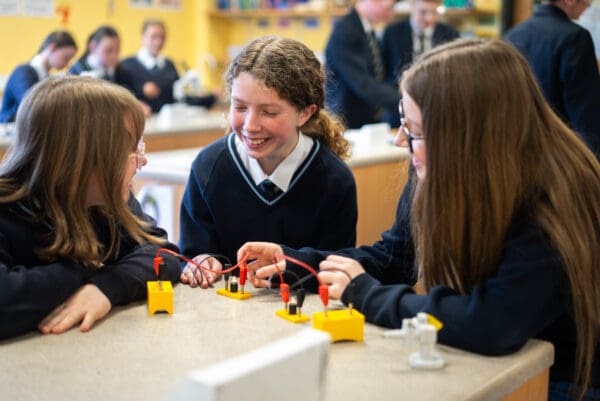
Two or three times each year, students take part in a Mission based on one of the United Nations Global Goals. These missions challenge learners to explore real-world issues such as climate change and develop thoughtful responses or potential solutions.
Students draw upon knowledge from multiple subject areas, applying what they have learned in meaningful ways. This helps them see the bigger picture and understand how learning from different disciplines can work together to address real challenges.
Each mission culminates in a final product, showcase or exhibition where learners present their work and explain their thinking, giving them an authentic audience and purpose for their learning.
CREW
At the heart of the curriculum is CREW – Coaching, Reflection, Enrichment and Well-being. These dedicated sessions provide time for students to set personal goals, reflect on their progress and receive personalised coaching from staff.
CREW Leaders work closely with learners, helping them develop independence, organisation, resilience and problem-solving skills. The process is built around goal setting, action and reflection, empowering students to take greater ownership of their learning journey.
Visible Success and Feedback
Students regularly use clear rubrics and success criteria to understand what high-quality work looks like. They are encouraged to evaluate their own progress and provide constructive feedback to others using prompts such as “I like…”, “I notice…” and “I wonder…”.
This approach develops self-reflection, builds confidence and helps create a culture where feedback is kind, specific and genuinely supportive of improvement.
The Benefits for Learners
The Real Life Curriculum offers a range of benefits that extend beyond academic outcomes:
- Greater engagement through learning that has real-world relevance and purpose.
- Stronger problem-solving skills developed through tackling authentic challenges and complex questions.
- Improved independence and organisation through goal setting, coaching and reflection.
- Enhanced self-confidence through regular opportunities to showcase learning and evaluate progress.
- Better collaboration and communication through peer feedback and mission-based learning.
- A broader understanding of the world through engagement with global issues and the UN Global Goals.
The Impact
The ultimate impact is that students become more than successful learners—they become confident, reflective and proactive young people who understand how their education connects to the wider world.
By blending academic knowledge with real-world application, personalised coaching and opportunities for meaningful reflection, we are helping learners develop the attributes they need not only to achieve in school, but to thrive long after they leave it.
The Real Life Curriculum embodies our commitment to ensuring education is both ambitious and relevant, preparing every learner for the opportunities and challenges of the future.